
Key Takeaways
- Setting clear expectations with new tenants from day one helps Boise landlords prevent disputes, protect their property, and reduce legal risk.
- A written, Idaho-compliant lease combined with upfront communication about rent, utilities, maintenance, and house rules creates consistency and accountability.
- Move-in orientations, documented inspections, and early discussion of move-out standards support longer tenancies and smoother turnovers.
Clear expectations are the quiet engine behind every successful rental property. In the Boise market, the difference between a high-performing investment and a constant source of stress often boils down to how well you communicate with your tenants during the first few days of their residency.
Most landlord-tenant disputes grow from simple misunderstandings regarding rent, maintenance, or property rules. When these boundaries aren’t explicitly defined early on, small issues snowball into major financial and legal liabilities.
Many new landlords ask: “Shouldn’t tenants just know how to treat a home?” The honest answer is no. Every property is unique, and every landlord operates differently. Setting expectations from day one is a core strategy for protecting your asset and your peace of mind.
Keyrenter Boise has put together this comprehensive guide to help you master the onboarding process, stay compliant with Idaho law, and build professional relationships that last.
1. A Written, Compliant Lease
Your lease is more than a contract; it is the “rulebook” for the entire tenancy. In Idaho, while oral agreements are technically recognized, they are practically unenforceable in a dispute. A written lease protects both parties by removing ambiguity.
At a minimum, your lease should clearly define the exact amount, the due date, and the specific grace period (if any). Be sure to list acceptable payment methods, which is the gold standard for modern property management.
Idaho requires clear terms for how deposits are handled. Explicitly state that the deposit cannot be used as the last month’s rent.
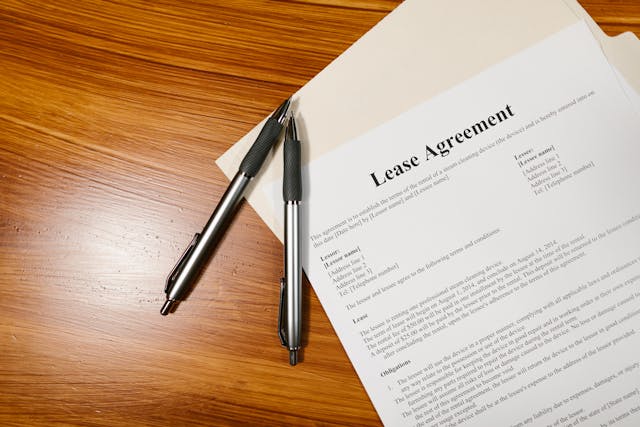
A professional property management company ensures your lease is updated annually to reflect changing local regulations, removing the guesswork from your legal strategy.
2. Clarifying Financial and Utility Responsibilities
Never assume a tenant understands your financial policies. During the move-in process, walk them through the “why” and “how” of your billing.
Be specific about late fees. If rent is due on the 1st and late on the 5th, enforce that deadline consistently. Inconsistency breeds the expectation that the rules are negotiable, which can lead to late payments becoming a monthly habit.
Utility costs can vary wildly between the summer heat and winter freezes. List which utilities are the tenant’s responsibility. Requiring proof of utility transfer before handing over the keys is a best practice that prevents you from being stuck with a bill the tenant should have paid.
3. Maintenance
Maintenance confusion is the leading cause of friction between landlords and tenants. To protect your property long-term, you must define exactly what the tenant handles versus what you handle.
Spell out expectations for “consumable” maintenance, such as a schedule for changing HVAC air filters, replacing light bulbs and smoke detector batteries, and keeping the unit clean to prevent pest issues.
It’s also important to define what constitutes an emergency. A burst pipe flooding a kitchen at 2:00 AM is an emergency; a dripping faucet or a broken dishwasher is a standard repair request.
Providing a clear communication method and expected response times ensures tenants feel heard without overwhelming you with non-urgent calls.

4. House Rules and Property Use
Consistency is the key to fair enforcement. Your house rules should be explained clearly before the tenant moves in to avoid “confrontational” enforcement later.
If you allow pets, be specific about your pet policies, including pet deposits and expectations for waste removal. If your property has designated parking or shared amenities, explain the rules for visitors and overflow parking to prevent neighbor complaints.
5. Move-In Orientation
A move-in walkthrough is your best defense against future security deposit disputes. Rather than just handing over a key, spend 30 minutes walking the property with the tenant.
Document the condition of every room with high-resolution, time-stamped photos. Show the tenant how to use appliances and, crucially, where the main water shut-off valve is located.
In an Idaho winter, a tenant who knows how to shut off the water during a pipe burst can save you thousands of dollars in damages. Use this time to also discuss seasonal care, such as unhooking garden hoses before the first freeze.
6. Communication, Inspections, and Access
Landlords have a right to inspect their property, but Idaho law requires “reasonable notice” before entry, except in emergencies. Establish a standard (usually 24 to 48 hours) and stick to it.
Explain to the tenant that regular inspections are about ensuring the home remains safe and habitable. This proactive communication reduces tenant anxiety and prevents claims of improper entry. Professional management companies handle these visits with a neutral, business-like approach that preserves the relationship while protecting the asset.

7. Addressing Move-Out Expectations Early
Successful turnovers begin at move-in. Provide tenants with a “Move-Out Cleaning Checklist” on day one. When they know exactly what is required to receive their full security deposit back, such as professional carpet cleaning or specific appliance standards, they are much more likely to return the property in good condition.
Idaho law states that landlords have 21 days (or up to 30 days if stated in the lease) to return a security deposit or an itemized list of deductions. By setting clear standards early, you avoid the “security deposit wars” that often plague the end of a tenancy.
Bottom Line
Setting clear expectations is one of the smartest business moves a Boise landlord can make. It transforms a potentially volatile relationship into a professional partnership. When tenants know exactly what is expected of them, they are more likely to stay longer, pay on time, and take pride in their home.
Keyrenter Boise helps landlords handle every step of this process with confidence. From crafting legally compliant leases to conducting thorough orientations and inspections, our team removes the stress of property ownership. If you want better results and fewer headaches, work with the local experts.