
Key Takeaways
- Proactive maintenance helps prevent costly repairs and keeps your rental attractive and profitable.
- Prompt repairs and clear communication build trust with tenants and protect your investment.
- Regular inspections and preventative care extend the life of appliances and systems while ensuring lease compliance.
- Staying compliant with local laws and maintaining proper records reduces legal risks and improves property management efficiency.
Maintaining a rental property is more than just patching holes in walls or mowing the lawn. It’s about protecting your investment, keeping your residents happy, and ensuring your property remains desirable and profitable over time.
Whether you own a single-family home or a multi-unit building, taking a proactive approach to maintenance can prevent small problems from becoming costly repairs. Keep on reading this article by Keyrenter Boise to learn more about maintaining your rental property!
Why Rental Property Maintenance Matters
Many landlords underestimate the long-term value of proper maintenance. A well-maintained property attracts higher-quality tenants, commands better rent, and experiences fewer turnovers. Neglect, on the other hand, leads to dissatisfaction, late-night emergency calls, and eventually, higher repair costs.
When a resident sees that their home is cared for, they are more likely to treat it with respect. It also sets the tone for your relationship with the tenant. They know you’re responsive, responsible, and committed to providing a safe and comfortable living space.
Conduct Regular Inspections
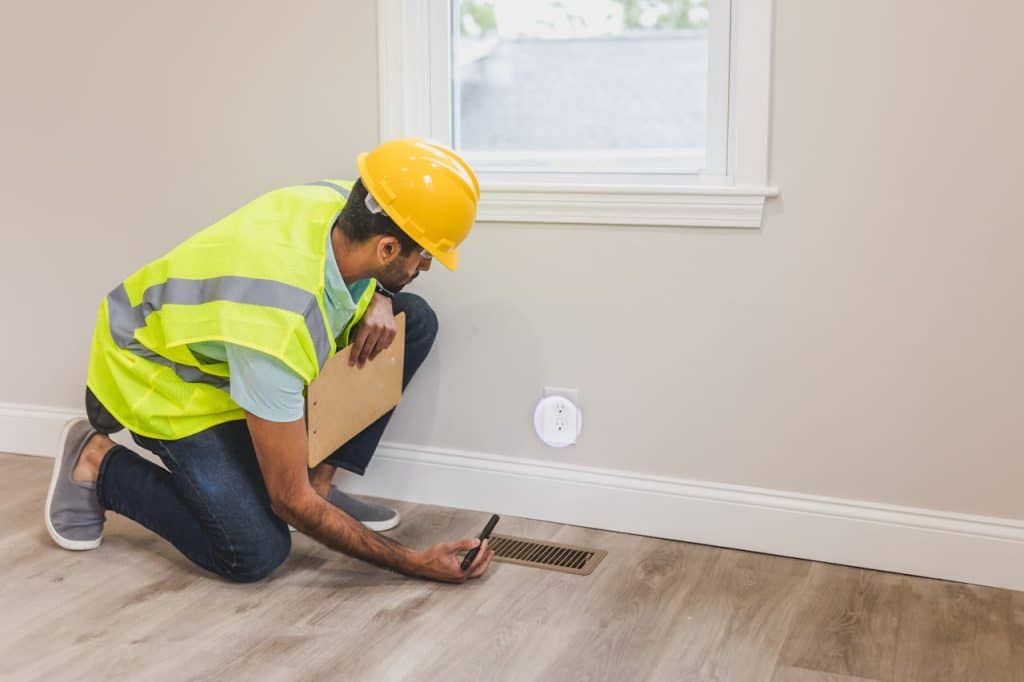
Routine property inspections are key to preventing larger issues down the road. These checks can reveal things like small leaks, deteriorating seals on windows, pest activity, or unsafe conditions. Ideally, you should inspect the property at move-in, at least once a year during the lease, and again at move-out.
Inspections also give you a chance to verify that the resident is complying with the lease agreement. It’s an opportunity to check for unauthorized pets, smoking, or additional residents that you may not be aware of. Just make sure to give proper notice before entering, as required by your local landlord-tenant laws.
Don’t Delay Repairs
One of the worst things you can do as a landlord is to delay necessary repairs. A dripping faucet may not seem urgent, but over time, it can waste gallons of water and cause damage under the sink. A small roof leak might only drip occasionally, but left unresolved, it could lead to mold or structural issues.
Addressing repair requests quickly shows your tenants that you take their concerns seriously. It also saves you money in the long run by preventing escalation. Even if a fix isn’t immediate, communicating clearly with the tenant about when and how it will be handled is essential.
Set Up a Preventative Maintenance Schedule
Instead of waiting for things to break, develop a system to prevent issues from arising in the first place. Preventative maintenance is a smart and efficient way to extend the life of appliances, HVAC systems, plumbing, roofing, and more.
Some common tasks to include in your schedule are:
- Flushing the water heater once a year to remove sediment buildup
- Changing air filters every few months
- Cleaning gutters twice a year to prevent water damage
- Servicing the HVAC system before summer and winter
- Sealing gaps around doors and windows to maintain energy efficiency
Keep the Property Safe and Compliant
Beyond aesthetics and comfort, your rental must meet safety standards and legal requirements. This includes functioning smoke detectors, carbon monoxide alarms, handrails on stairways, secure locks, and clear exits. Make sure your property complies with all local building codes and habitability laws.

If you make renovations or upgrades, ensure that any work done by contractors is properly permitted and inspected when necessary. Cutting corners might save time temporarily, but it can lead to fines or lawsuits in the future.
Take Care of the Exterior
Curb appeal isn’t just about attracting new residents. It’s also about maintaining the structural health of the building and the quality of the neighborhood. Overgrown trees, clogged gutters, cracked sidewalks, or peeling paint can signal neglect and make tenants feel less safe.
Regularly assess the exterior condition of the property. Keep the landscaping tidy, address any drainage issues, and check the condition of the roof, siding, and fencing. If your property includes shared spaces like a parking lot or courtyard, make sure they are clean, well-lit, and hazard-free.
Communicate Maintenance Responsibilities Clearly
Tenants also play a role in property maintenance. To avoid misunderstandings, it’s important to clearly outline which tasks fall under your responsibility and which are expected of the tenant.
For example, you might take care of structural repairs and appliance servicing, while tenants are expected to keep the space clean, report issues promptly, and replace lightbulbs or batteries in smoke alarms.
This should be clearly explained in the lease agreement. You may also want to provide a welcome packet or maintenance guide that reminds tenants of best practices, like not flushing inappropriate items down the toilet or cleaning the lint trap in the dryer.
Keep Records of Everything
Documentation is your best friend in property management. Always keep detailed records of inspections, maintenance work, repair receipts, and communication with tenants. This not only helps you track the condition of your property over time but also protects you in the event of a dispute.
If a tenant claims a repair wasn’t addressed, having emails or work orders on file can clarify the timeline. Good recordkeeping also helps during tax season, as many maintenance-related expenses are deductible.
Stay Updated on Local Laws
Maintenance expectations vary depending on the location of your rental property. Some cities or states may have specific rules about heating, hot water availability, pest control, or mold prevention. Make it a point to stay informed about any changes in housing codes or landlord-tenant laws in your area.
Being unaware of your legal responsibilities isn’t an excuse that holds up in court. If necessary, consult with a local attorney or property management expert to make sure you’re in compliance.
Bottom Line
Maintaining a rental property isn’t just about reacting to problems. It’s about being proactive, organized, and responsive. The more attention you give to your property’s condition, the better it will perform over time—both in value and in resident satisfaction.
From regular inspections and preventative maintenance to clear communication and legal compliance, a strong maintenance strategy is essential. If the process feels overwhelming or time-consuming, don’t hesitate to work with a trusted property management company like Keyrenter Boise to take care of the details for you!