
Key Takeaways
- Legal Compliance Requires Meeting Habitability Standards: Idaho landlords must ensure their rentals are safe and habitable by maintaining functional systems like plumbing, heating, and smoke detectors, and by addressing structural and pest issues promptly.
- Regular Inspections Help Prevent Safety Hazards: Conducting inspections during key phases—move-in, seasonal changes, drive-bys, and move-out—ensures the property remains in good condition and aligned with safety codes.
- Proactive Safety and Health Measures Enhance Tenant Satisfaction and ROI: Going beyond the minimum—such as providing emergency contact info, allowing reasonable modifications for disabled tenants, and maintaining clear fire escape routes—fosters tenant trust and long-term occupancy.
As a landlord, staying legally compliant is key to running a successful rental business.
State law requires that landlords rent out habitable homes that have met the minimum safety, health, and building codes. And beyond being a legal requirement, it’s also a moral obligation that can impact your ROI.
Tenants who feel safe, comfortable, and cared for in general, are more likely to renew their lease multiple times. This will save you on costly re-renting processes, thereby helping you maximize your profits. That said, what exactly are the minimum safety standards a rental property must meet? Well, Keyrenter Boise has you covered. Here’s everything to know about rental safety standards as a landlord.
Legal Requirements
As a landlord, there are certain legal requirements that you must meet when renting out your property. These are usually spelled out under your state’s habitability laws.
For instance, in Idaho, the following are some of the things landlords must provide.
- Working electrical and plumbing facilities.
- Functioning heating facilities.
- Proper ventilation.
- Adequate weatherproofing.
- No structural issues, such as weak railings or unstable floors.
- No pest or mold issues.
- Working smoke detectors.
Please note that you must maintain safe and habitable conditions in the unit throughout the lease term, including making the required fixes within a reasonable time.
Rental Inspections
These are essential for the smooth running of your rental investment. By regularly inspecting the property, you may be able to accomplish the following things.
- Notice any issues that the tenant may have overlooked.
- Give yourself peace of mind, knowing the tenant is living in a safe and compliant environment.
- Ensure the property abides by all local safety codes.
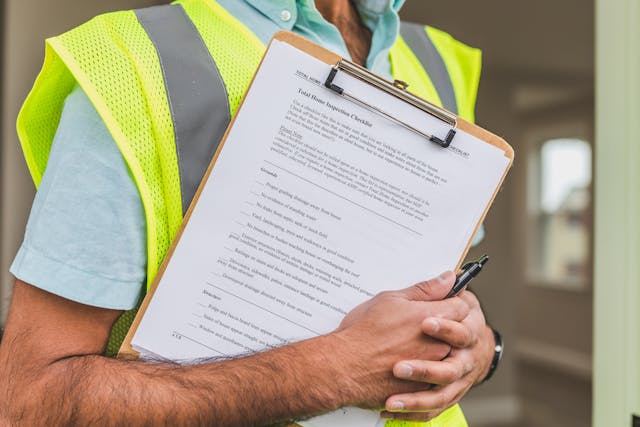
Ideally, go with a licensed and experienced professional to ensure thorough workmanship. They will know exactly where and what to look for during property inspections.
The inspection should cover things like plumbing systems, electrical systems, heating, air conditioning, and the building’s structural integrity.
You should aim to have these inspections in four phases. That is, when the tenant is first moving in, when seasons change, when driving by, and when moving out of the property.
Fire Safety Preparedness
This is also another area you’ll want to ensure you are staying compliant with. Ensure that you have a working smoke detector in every bedroom in the unit. These should be located within 3 meters of each bedroom door.
Also, during every inspection, make sure to test its functionality. Press the “test” button. The alarm should sound loudly.
You may also need to have a fire extinguisher installed in easily accessible locations. It should be unobstructed and have at least 3 feet of clear space around it to ensure quick access.
Another thing to check is the fire escape plan. These are unobstructed emergency exits, which can be windows in bedrooms for easy egress from the property.
Health Standards
Aside from meeting the required safety standards, also make sure the unit meets the required health codes. The following are some of the conditions you must provide in this regard.
- Safe and running hot water.
- No pest infestation issues.
- No mold issues.
- Adequate waste disposal containers.
- Clean, sanitary, and well-lit common areas.
You may also need to disclose to the tenant about the use of lead-based paint in the unit for buildings built before 1978.
And again, timely repairs to such issues impacting habitability are crucial.
Additional Safety Tips for Landlords
In addition to meeting the basic health and safety standards in your rental property. You may also want to go a notch higher and do the following for guaranteed peace of mind.
- Ensure the tenant has your updated emergency contact details. This will help ensure there is no communication breakdown when it comes to reporting issues.
- Keep accurate and detailed records of important activities, such as repairs, maintenance, and inspections.
- Obtain the necessary certifications to ensure you’re up-to-date with the necessary safety requirements.
- Allow reasonable modifications upon request by disabled tenants. For example, the installation of grab bars in bathrooms.
- Ensure the property has emergency supplies, such as a first aid kit, flashlights, and batteries.
- Maintain curb appeal to ensure it isn’t a safety risk.
- Inspect the locking mechanisms of doors and windows to ensure the tenant’s safety is not jeopardized.
Bottom Line
Ensuring a rental property meets safety standards is a key landlord responsibility. It ensures not only legal compliance, but also helps preserve the property’s value and keep tenants comfortable for optimal ROI.
For expert help in managing your Boise rental property, look no further than Keyrenter Boise. We are a top-notch choice for property management services in Boise, ID, and its surrounding areas. Contact us to learn more!