
Key Takeaways:
- Understanding the difference between normal wear and tear and tenant-caused damage is essential for making fair security deposit decisions, avoiding disputes, and staying legally compliant.
- Normal wear and tear reflects gradual, unavoidable aging of a property, while damage results from misuse or neglect and may justify deductions when supported by clear documentation.
- Consistent maintenance, awareness of item lifespans, and thorough move-in and move-out documentation help landlords protect their investments and operate more professionally.
In Boise’s growing rental market, where demand continues to rise alongside property values, landlords are paying closer attention to how their assets are maintained over time. One of the most common (and often misunderstood) issues? The line between everyday use and actual damage.
Understanding what qualifies as “normal wear and tear” isn’t just a technical detail, it directly affects security deposit decisions, tenant relationships, and legal compliance. Get it wrong, and you risk disputes. Get it right, and you create a smoother, more professional rental operation.
Keyrenter Boise has put together this guide to help landlords approach it with clarity.
Learn more about us!
What “Normal Wear and Tear” Really Means
At its core, normal wear and tear refers to the gradual decline of a property caused by ordinary use. It’s the kind of change that happens no matter how careful a tenant is.
Think of it as the natural aging process of a home. Paint loses its brightness over time, carpets flatten in high-traffic areas, and fixtures show signs of use.
These changes occur slowly and predictably. Even in well-maintained Boise rentals, they’re unavoidable.
What’s important is this: wear and tear is expected. It’s not a violation of the lease, it’s part of operating a rental property.
Why the Distinction Matters
The difference between wear and tear and actual damage has real financial implications. Landlords absorb the cost of natural deterioration and tenants are only responsible for excessive damage.
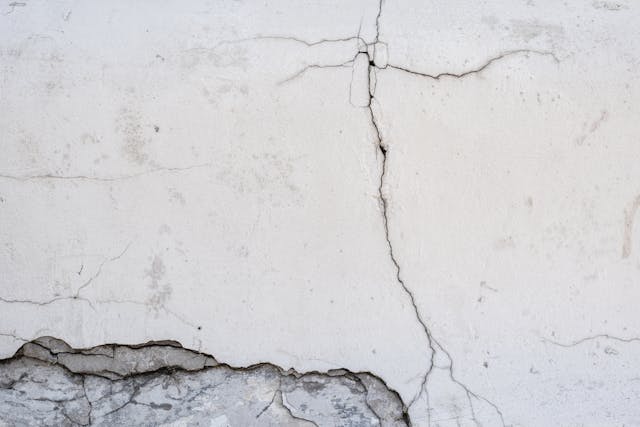
If an issue goes beyond normal use, that’s when repair costs can be deducted from the security deposit. Charging tenants for expected aging can result in conflicts, negative reviews, or even legal challenges. Keeping your tenants happy is not only a courtesy, it also reduces stress and makes managing your property simple.
In a competitive market like Boise, where tenant experience plays a role in retention, handling this fairly isn’t just ethical, it’s strategic.
Spotting the Difference: Wear vs. Damage
The easiest way to tell the difference is to look at the cause and timeline.
Normal wear and tear is gradual and expected. Light scuffs on floors from daily movement, slightly worn carpet in commonly used areas, fading paint from sunlight exposure, and minor grout loosening or surface wear are all examples of normal wear.
Tenant-caused damage is sudden or excessive. This can include large holes in walls or doors, deep stains or burns in carpet, broken fixtures due to misuse, or unauthorized alterations like bold repainting.
A helpful rule: if the issue happens slowly through regular use, it’s likely wear. If it happens quickly due to neglect or misuse, it’s likely damage.
Another factor to consider is intensity. A single small mark may fall under normal use, but repeated or severe marks in multiple areas can shift the classification toward damage. Looking at the overall pattern, not just isolated incidents, helps you make more balanced and defensible decisions.
Maintenance Responsibilities: Where Landlords Step In
Owning rental property in Boise means taking on the bulk of maintenance responsibility, even when tenants are respectful and careful.

It is essential that you keep the property livable at all times. Essential systems, like plumbing, heating, electrical, must be maintained regardless of tenant behavior.
Repainting, replacing worn flooring, and updating fixtures are part of long-term upkeep. Proactive maintenance ensures that your investment holds its value over time. Routine inspections help identify issues early and prevent minor wear from becoming major problems.
Get a free rental analysis!
While tenants are expected to use the property responsibly, the responsibility for long-term condition remains with the owner.
How Item Lifespan Affects Cost Responsibility
Not everything in a rental lasts forever, and that matters when determining who pays for replacements. For example, carpets typically last around 5 years, so charging full replacement costs after years of use is rarely justified.
Appliances have expected life cycles as well, a refrigerator or water heater nearing the end of its lifespan isn’t a tenant expense. If an item is partially worn, costs should be shared proportionally, not passed entirely to the tenant.
Understanding lifespan helps landlords make fair, defensible decisions, and protects against overcharging claims.
Documentation: Your Strongest Protection
Clear documentation is one of the most effective ways to avoid disagreements. Conduct detailed move-in property inspections, and be sure to record the condition of every room with photos or videos. Repeat this process at move-out so you can compare before-and-after visuals.
Share these records with tenants to reduce surprises and build trust. Without documentation, even valid claims can become difficult to prove. With it, decisions become straightforward.

Well-documented properties also create consistency across multiple tenants and lease cycles. Over time, this builds a clear maintenance history, helping you track wear patterns, plan upgrades, and protect your investment with greater confidence.
Common Gray Areas And How to Handle Them
Some situations fall between wear and damage, requiring judgment calls. For example, light wear is expected on carpet, but heavy staining may justify partial charges. Minor scuffs on walls are normal, but excessive holes or unauthorized colors are not.
The key is consistency. Applying the same standards across tenants protects your credibility and minimizes disputes. It is also important to ensure your tenants understand the importance of reporting repairs promptly. This ensures that all issues are addressed in a timely manner and reduces conflict.
Bottom Line
Understanding wear and tear isn’t just about deposits, it’s about running a rental business with clarity and fairness.
Landlords who maintain their properties consistently, communicate expectations clearly, and apply rules evenly tend to experience fewer conflicts and better tenant retention.
Navigating wear and tear, maintenance responsibilities, and tenant expectations can be complex, especially as your portfolio grows. But with the right systems in place, it becomes manageable and predictable.
If you want to protect your investment, reduce disputes, and handle property management with confidence, partnering with a professional property management team can make all the difference. From inspections to documentation and tenant communication, the right team ensures every detail is handled with precision, so you can focus on long-term growth.
Contact Keyrenter Boise today!