
What Rent Should I Charge?
Welcome to the Keyrenter Boise blog! As a trusted name in property management, we’re dedicated to helping property owners maximize their investment and easily navigate the rental market. Today, we’re addressing the critical question every landlord inevitably faces: “What Rent Should I Charge?” Your rental property’s income potential hinges on setting the right rent price, which is crucial for long-term success.
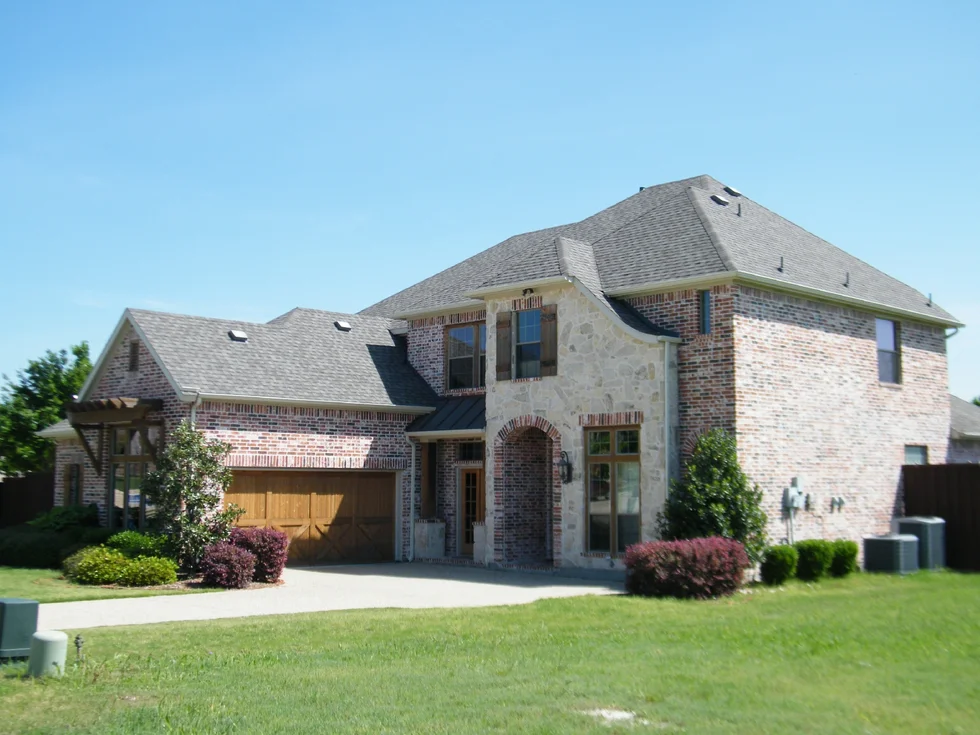
How Do You Calculate What Rent Should Be?
Calculating the appropriate rental rate for a property is a crucial aspect of successful property management. Setting the right price helps attract the right tenants and generate a consistent rental income. Here’s a guide on how to calculate rent for your property:
Start by understanding the rental market in your area. Compare similar properties in terms of size, features, amenities, and location. Look for properties that have been rented recently to get a sense of the current demand and price trends.
Consider the unique features of your rental property. The number of bedrooms, bathrooms, square footage, and parking availability are some factors that impact rent. Properties with amenities such as a pool, gym, or outdoor space may also command a higher rent.
The property’s proximity to popular areas or convenient transportation options can also influence the rental price. A rental near good schools, shopping centers, or major employers may be more in-demand and allow for a higher rent.
Keep an eye on the current economic climate and any fluctuations in the housing market. Reduced demand or an economic downturn may force you to adjust the rental rate to ensure the property remains rented.
Factor in property-related expenses such as taxes, insurance, and maintenance to gauge your rental income accurately. Investigating these costs when setting the rent is essential to ensure you cover expenses while generating a profit.
Certain tenants could be predisposed to consider higher rent payments in exchange for additional amenities or property enhancements. Examples encompass concierge offerings, pet-associated fees, or property upgrades.
Your occupancy objectives might impact rental pricing too. Should your primary focus be on sustaining elevated occupancy levels and minimizing turnover, proposing slightly reduced rent could be beneficial in drawing a more extensive range of prospective tenants.

How Much Is a Room Rent in the USA?
In the United States, the expense of hiring a chamber diverges considerably depending on the geographic locale, the specific vicinity, the dimensions of the designated area, and the available conveniences. While providing an exact number is challenging, this section presents a generalized elucidation of nationwide space for lease valuations.
The territorial location is a crucial determinant in establishing the costs of renting a dwelling space. For instance, accommodation charges in heavily-populated metropolitan zones such as New York City, San Francisco, and Los Angeles inevitably command a premium. In Manhattan, the median cost for an allocated living space in a communal dwelling ranges from $1,200 to $2,000 monthly, contingent upon the suburb and the size of the designated area. In stark contrast, smaller municipalities and more rural regions typically proffer substantially lower pricing, averaging between $400 to $800 monthly.
Furthermore, the desirability and safety of a particular neighborhood considerably affect rental fees, with fashionable and well-connected districts commanding higher tariffs. In metropolises like Chicago, a living space within an in-demand residential area like Lincoln Park can retail for approximately $900 to $1,500 per month. In contrast, an equivalent in a less sought-after region may be priced at a mere $500 to $800 monthly. Consequently, thoroughly scrutinizing factors such as crime rates, the accessibility of public transport, and proximate amenities is critical for prospective renters.
Additional vital considerations when determining rental costs include the dimensions of the living space and the presence of advantageous features such as en-suite bathrooms or secluded verandas, which typically fetch higher fees. Conversely, a more diminutive space or shared facilities tends to render a living arrangement more budget-friendly.
Lastly, the various amenities and characteristics of the rental property play an essential role in shaping rental valuations. For instance, living spaces in apartment buildings equipped with gyms, swimming pools, or other abundant amenities are generally priced higher than their amenity-deprived counterparts. Moreover, rentals including utilities, Wi-Fi connectivity, or furnishings, typically command a premium.
To summarize, room rental costs across the USA fluctuate significantly depending upon variables such as location, neighborhood, dimensions, and available conveniences. Although bustling urban centers like New York City, San Francisco, and Los Angeles are renowned for elevated rental charges, smaller cities and rural environments often provide more cost-effective alternatives. To make an informed decision, aspiring renters should actively investigate the neighborhood, contemplate their preferences and requirements, and consider the property’s amenities.
What Is the Average Property Management Fee for Rental Properties
For rental property owners who enlist the expertise of professionals, property management fees constitute a crucial aspect of their evaluation. Fluctuations in these fees stem from location, property classification, the gamut of services rendered, and the management company’s standing. In this segment, we will delve into the customary property management fees and the services generally encompassed with rental properties.
Typically, fees for managing residential properties tend to fall between 8% and 12% of the monthly rent, with variances dictated by the parameters above. For commercial properties, the charges levied are customarily steeper, averaging between 10% and 15% of the gross rental income. Notably, these percentages are illustrative; actual fees are contingent upon the property manager or company selected.
In addition to the proportion-based fee, a majority of property management enterprises impose an array of flat fees for specific services. Examples include leasing fees, which can span from half to an entire month’s rent, functioning to offset marketing, property showcasing, and tenant background check expenses. Some managers may impose a one-time setup fee, ranging from $100 to $300, to account for the preliminary account establishment and rental property preparation costs.

Owners should scrutinize the fee structure alongside available services when determining a suitable property management company. Property owners can identify the most qualified option by juxtaposing various companies and appraising their reputation, experience, and customer attentiveness. It is also imperative that owners thoroughly examine management agreements to deduce service scope, supplementary fees, and contract stipulations.
Rental property management fees generally sit between 8% and 12% of the monthly rent for residential properties and 10% to 15% for commercial properties. These charges accommodate many services, such as rent collection, tenant screening, and maintenance coordination. Property owners should meticulously explore and contrast property management companies to align their selection with their financial and service needs.
What Is the Simple Rent Formula
As a property owner, determining the right rent amount for your property can be a complex and time-consuming task. Many people search for a simple rent formula to ensure they set the rent at the most profitable and attractive rate. Unfortunately, no such universal formula exists, as many factors come into play when establishing the appropriate rent for a property.
Location, age, property type, amenities, upgrades or improvements, and timing can significantly influence the rental market value. Market conditions—within the real estate sector and the broader economy—also play an essential role in determining rental demand.
At Keyrenter Boise, we understand the challenges of setting the right rent and are here to help. As a premier property management company with extensive experience and expertise in the Boise market, we have the tools, insights, and knowledge to accurately assess and establish the right rental price for your property.
Our team of professionals thoroughly analyzes your property and the local market, considering all the relevant factors to establish a rental price that maximizes your income while ensuring your investment remains competitive and appealing to potential tenants.
Hiring Keyrenter Boise not only lifts the burden of determining the appropriate rent off your shoulders but also provides the peace of mind of knowing that your rental property will be efficiently managed and maintained. Our commitment to providing exceptional customer service and seamless property management ensures you can enjoy the benefits of rental ownership without the usual headaches and hassles.
While there isn’t a straightforward rent formula, partnering with Keyrenter Boise will lead you to successful rental property ownership. With our expertise, resources, and commitment to exceptional service, you know your investment is in good hands.