
Spotting Unauthorized Pets: Tips for Boise Property Owners
Navigating lease compliance is essential for property owners aiming to maintain a harmonious living environment and protect their investments. Unauthorized pets can pose significant challenges, potentially leading to lease violations and property damage.
At Keyrenter Boise, we understand these concerns and offer expert guidance on effectively managing such situations. Our comprehensive guide provides property owners with strategies to identify unauthorized pets in rental properties, ensuring adherence to lease agreements and fostering a peaceful community for all tenants.
Discover how Keyrenter Boise, a property management leader can support you in safeguarding your rental property and ensuring compliance.
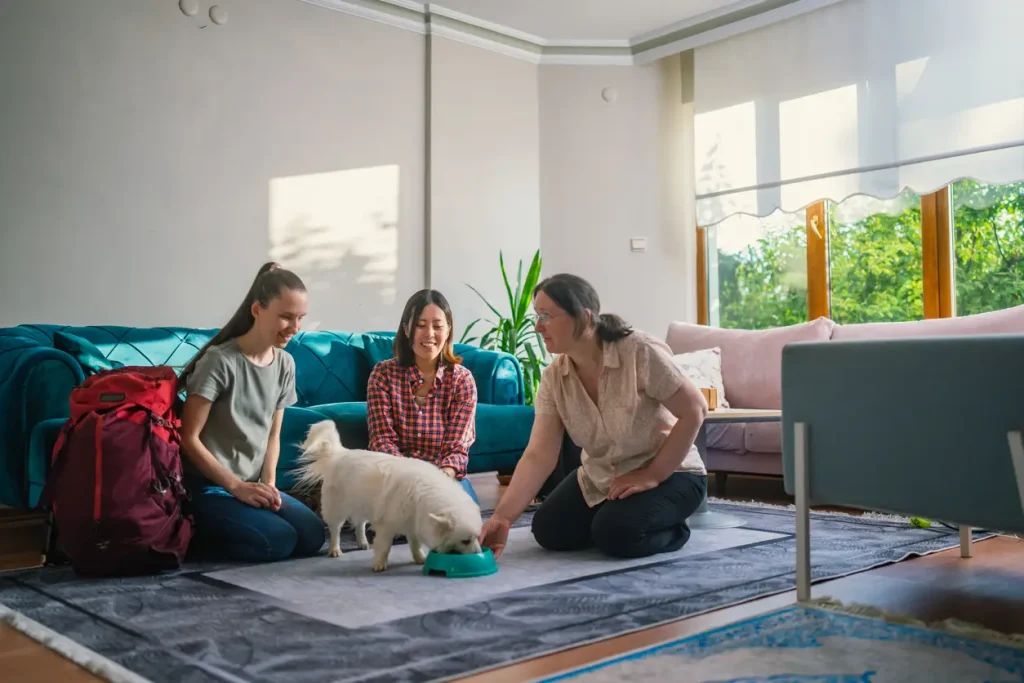
Spotting Sneaky Paws: Effective Ways to Identify Unauthorized Pets in Boise Rentals
Identifying unauthorized pets in rental properties can be a challenge for property owners in Boise. With pets often being a sensitive topic, it’s crucial to approach the situation tactfully while safeguarding your investment. Here, our team talks about six methods that property owners can use to identify unauthorized pets, complete with examples to illustrate each approach.
Observe Tenant Behavior: Changes in tenant behavior can indicate the presence of pets. For instance, if a tenant who previously had no interest in pet supplies suddenly starts bringing in pet food or toys, it might suggest they have acquired a pet without authorization.
Monitor Noise Levels: Pets, especially dogs, can be noisy. If neighbors report frequent barking or unusual animal sounds coming from a unit, it could be a sign of an unauthorized pet. Regularly checking in with neighbors can provide valuable insights.
Check for Pet Damage: Unauthorized pets can cause damage that might not be immediately visible. Scratches on doors, chewed furniture, or pet hair on carpets can indicate a pet’s presence. For example, if you notice claw marks on a door frame, it could suggest a dog’s been left alone and has tried to escape.
Use Technology: Security cameras in common areas can help identify unauthorized pets. If a tenant is seen repeatedly entering the building with a pet, it might be worth investigating further. Cameras can capture evidence without infringing on tenant privacy.
Speak with Maintenance Staff: Maintenance workers often have access to areas that property owners do not. They might notice signs of pets, like pet food bowls or litter boxes, during their routine work. Engaging with maintenance staff can provide another layer of observation.
Review Social Media: Tenants sometimes post pictures of their pets on social media. If you suspect a tenant might have an unauthorized pet, a quick search of their public profiles could reveal photos of the pet in their unit. For example, a tenant might post a picture of their cat lounging on the living room sofa.
By employing these methods, property owners in Boise can effectively identify unauthorized pets while maintaining a respectful and professional relationship with their tenants. This proactive approach helps ensure that rental agreements are upheld and that the property is well-maintained.
The Importance of Communication: Encouraging Tenants to Report Issues
Effective communication between property owners and tenants is crucial for maintaining a healthy rental relationship. When tenants feel comfortable reporting issues or changes in their living conditions, it helps ensure that the property remains in good condition and tenant satisfaction is high. This proactive approach can benefit both parties in the long run.
Building Trust and Transparency
Open communication builds trust and transparency between property owners and tenants. When tenants know they can easily report issues or changes in their living conditions without fear of retribution or being ignored, they are more likely to communicate openly.
This trust encourages tenants to report minor issues before they escalate into major problems, helping property owners maintain the property’s condition and prevent costly repairs.
Proactive Maintenance and Cost Savings
Regular communication allows property owners to address maintenance issues promptly. When tenants report problems early, property owners can take swift action to resolve them, preventing further damage.
This proactive approach to property maintenance can save owners significant costs in the long term, as small repairs are often less expensive than major overhauls. Additionally, well-maintained properties tend to attract and retain quality tenants, reducing turnover and vacancy rates.
Enhancing Tenant Satisfaction and Retention
Tenants who feel heard and valued are more likely to stay longer in a property. By maintaining open lines of communication, property owners can enhance tenant satisfaction, leading to higher retention rates. Happy tenants are more likely to renew their leases, recommend the property to others, and treat the property with respect. This positive relationship benefits property owners by reducing turnover costs and ensuring a steady rental income.
Understanding Fair Housing Laws for Service and Support Animals
Navigating the complexities of fair housing laws is crucial for property owners, especially regarding service and emotional support animals. These laws ensure equal housing opportunities by prohibiting discrimination based on disability.
Property owners must recognize that service animals are not considered pets and are protected under the Americans with Disabilities Act (ADA). This means property policies that typically restrict pets do not apply to service animals, and reasonable accommodations must be made.
Emotional support animals, while not covered by the ADA, are protected under the Fair Housing Act. Property owners must be aware that tenants with a verifiable need for an emotional support animal are entitled to reasonable accommodations. This includes waiving pet fees and altering property policies that may otherwise prohibit animals. Understanding these distinctions helps property owners comply with legal requirements and fosters an inclusive living environment for all tenants.
Wrapping Up
Ensuring lease compliance and identifying unauthorized pets in your rental property is crucial for maintaining the integrity of your investment. By staying vigilant, conducting regular inspections, and adhering to legal guidelines, Boise property owners can effectively manage their properties and foster a harmonious living environment for all tenants.
If you need assistance or have questions about managing your rental property, don’t hesitate to reach out to Keyrenter Boise. Our experienced team is here to help you navigate these challenges and ensure your property is managed efficiently and professionally. Contact us today!