
Understanding Pest Management Responsibilities: A Guidebook for Tenants and Landlords
Pest management is a critical aspect of maintaining rental properties, significantly impacting both tenant satisfaction and property value. Effective pest control ensures a healthy living environment, prevents property damage, and upholds the property’s marketability.
Join us as we explore the responsibilities of both tenants and landlords in managing pests, providing valuable insights to foster a harmonious rental experience. At Keyrenter Boise, we pride ourselves on our expertise in property management, offering comprehensive pest control solutions to protect your investment and ensure tenant well-being. With our professional approach, you can rest assured that your property remains in top condition, free from the nuisances and potential hazards that pests bring.
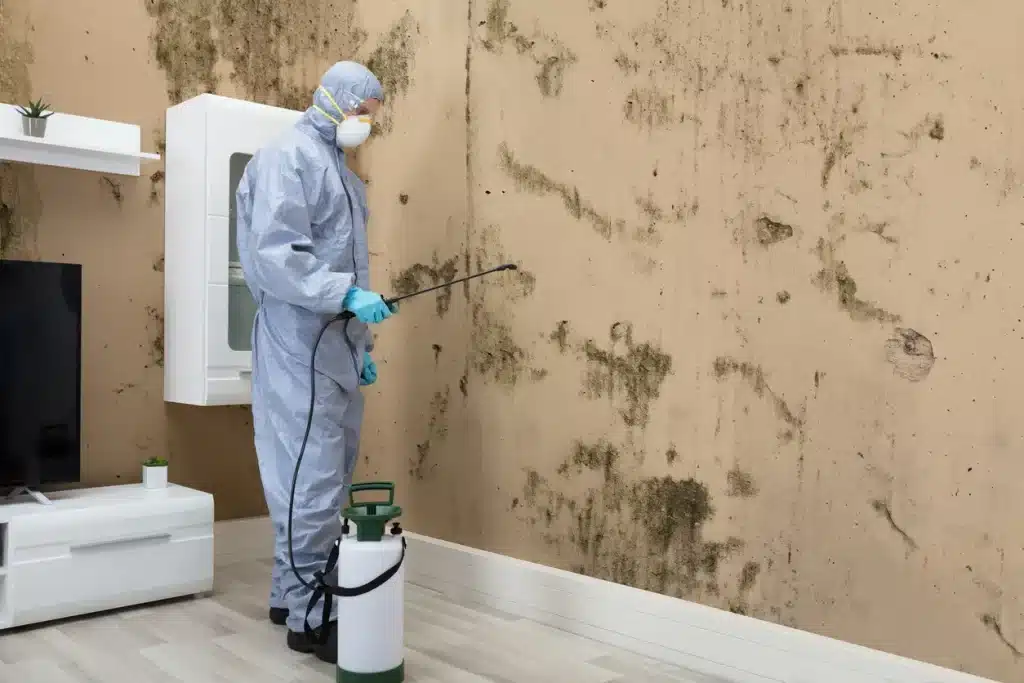
Understanding Landlord Responsibilities in Pest Management
Pest management is a critical aspect of maintaining a rental property. As a landlord, ensuring that your property is pest-free not only protects your investment but also provides a safe and comfortable living environment for your tenants. This article will delve into these responsibilities, providing a comprehensive guide to managing pests in your rental property.
Here, our team provides a detailed look at your responsibilities in pest management.
Ensuring a Pest-Free Environment Before Tenancy
One of the primary responsibilities of landlords is to ensure that the rental property is pest-free before a new tenant moves in. This involves conducting thorough inspections and addressing any pest issues identified. Hiring professional pest control services can help ensure that the property is free from common pests such as rodents, insects, and termites.
This proactive approach not only safeguards the property but also sets a positive tone with new tenants, showing that you are committed to maintaining a high standard of living conditions.
Regular Inspections and Maintenance
Regular inspections and maintenance are crucial in preventing pest infestations. Landlords should schedule periodic inspections to identify potential pest problems early. This includes checking for signs of pests in common entry points such as cracks in walls, windows, and doors.
Additionally, maintaining the property’s cleanliness and ensuring that waste is properly managed can significantly reduce the likelihood of pest infestations. By staying vigilant and addressing maintenance issues promptly, landlords can prevent minor pest problems from escalating into major infestations.
Prompt Response to Tenant Reports
Tenants play a vital role in pest management by reporting any signs of pests promptly. As a landlord, it is your responsibility to respond quickly to these reports and take appropriate action. Ignoring or delaying a response to pest complaints can lead to more severe infestations and potential damage to the property.
Establishing clear communication channels with tenants and providing them with guidelines on how to report pest issues can facilitate timely interventions. Collaborating with professional pest control services ensures that reported problems are addressed effectively and efficiently.
Legal and Ethical Obligations
Landlords have legal and ethical obligations to provide a habitable living environment for their tenants, which includes pest management. Various local and state regulations require landlords to maintain rental properties free from pests. Failure to comply with these regulations can result in legal consequences, including fines and potential lawsuits.
Ethically, landlords should prioritize the health and well-being of their tenants by ensuring that the property is safe and pest-free. This commitment to ethical pest management practices not only builds trust with tenants but also enhances the overall reputation of the rental property.
By understanding and fulfilling these responsibilities, landlords can effectively manage pests and maintain a high standard of living conditions in their rental properties. This proactive approach not only protects the property but also ensures tenant satisfaction and compliance with legal requirements.
Tenant Cooperation During Pest Control: Ensuring a Pest-Free Home
Pest control is an essential part of maintaining a healthy and comfortable living environment. As a tenant, your cooperation with pest control professionals and property managers can make a significant difference in the effectiveness of pest cleaning routines.
Here are some detailed steps to ensure a smooth and successful pest control process.
Understand the Pest Control Plan: The first step in cooperating with pest control efforts is to understand the plan laid out by your property manager and pest control professionals. This includes knowing the schedule, the type of pest treatment being used, and any specific instructions you need to follow.
Clear communication is key; make sure you receive all necessary information in advance and ask questions if anything is unclear. Understanding the plan helps you prepare adequately and ensures that the pest control process is as effective as possible.
Prepare Your Home: Before the pest control professionals arrive, take the necessary steps to prepare your home. This might include cleaning areas where pests are commonly found, such as kitchens and bathrooms, and removing any clutter that could provide hiding spots for pests. You may also need to move furniture away from walls and cover or store food and kitchen utensils to prevent contamination.
Proper preparation not only facilitates the pest control process but also protects your belongings from potential exposure to pest control chemicals.
Follow Safety Guidelines: Pest control treatments often involve chemicals that can be harmful if not handled properly. Follow all safety guidelines provided by the pest control professionals and property managers. This might include vacating the property for a certain period, keeping pets and children away from treated areas, and ventilating the home after treatment.
Adhering to these guidelines ensures your safety and the safety of others in your household while allowing the pest control professionals to work effectively.
Maintain Communication: Maintain open lines of communication with both the pest control professionals and your property manager throughout the process. Report any pest sightings or issues promptly, and provide feedback on the effectiveness of the treatment.
If you have any concerns or notice that the pest problem persists, don’t hesitate to reach out. Effective communication helps address issues quickly and ensures that pest control efforts are adjusted as needed to achieve the best results.
Follow-Up and Preventative Measures: After the initial pest control treatment, follow any additional instructions provided to prevent future infestations. This might include regular cleaning routines, proper food storage, and sealing entry points where pests could enter.
Your property manager may also schedule follow-up treatments to ensure the pest problem is fully resolved. By following these preventative measures, tenants can help maintain a pest-free environment and contribute to the overall success of the pest control efforts.
In essence, tenants’ cooperation with pest control professionals and property managers creates a safer, healthier, and more comfortable living space for everyone involved.
The Core Duties of a Property Manager: Staying Laser-Focused
Property managers should be laser-focused on tenant relations, maintenance, and financial management. Effective tenant relations involve timely communication, addressing tenant concerns, and ensuring lease compliance. Maintenance responsibilities include regular inspections, prompt repairs, and preventive upkeep to maintain property value and tenant satisfaction. Financial management entails accurate rent collection, detailed financial reporting, and budget oversight to maximize the property’s profitability.
Being distracted by other real estate transactions can compromise the quality of property management services. A dedicated property manager prioritizes these core duties to ensure the property operates smoothly and efficiently, providing peace of mind to property owners and a positive living experience for tenants. This focused approach aligns with our commitment to professionalism, responsibility, and exceptional customer service.
Watch this video from our super-focused team. We talk about the importance of finding a property manager who doesn’t chase shiny objects and is dedicated to giving your properties the attention they deserve.
Summary
Maintaining a pest-free rental property is a shared responsibility that requires cooperation between landlords and tenants. By understanding and fulfilling their respective roles, both parties can ensure a healthy, comfortable living environment. Regular inspections, prompt reporting of issues, and adherence to preventive measures are key to effective pest management.
At Keyrenter Boise, we are committed to providing professional property management services that support both landlords and tenants in achieving this goal. If you need assistance or have any questions about pest management or other property management services, don’t hesitate to reach out to us. Together, we can create a harmonious and pest-free living experience.