
Advantages of Owning a Single-Family Home as a Property Investment: Key Insights for Property Owners
In the vibrant heart of Boise, the allure of investing in single-family homes continues to grow, capturing the interest of savvy property investors. This trend reflects a broader shift towards the stability and potential of single-family properties as a cornerstone of investment portfolios. Unlike other types of real estate investments, single-family homes offer unique benefits that cater to both seasoned and novice investors alike.
This blog from Keyrenter Boise delves into the key insights that make single-family homes a compelling choice for property owners looking to diversify their investments and secure their financial future in the Treasure Valley’s dynamic real estate landscape.
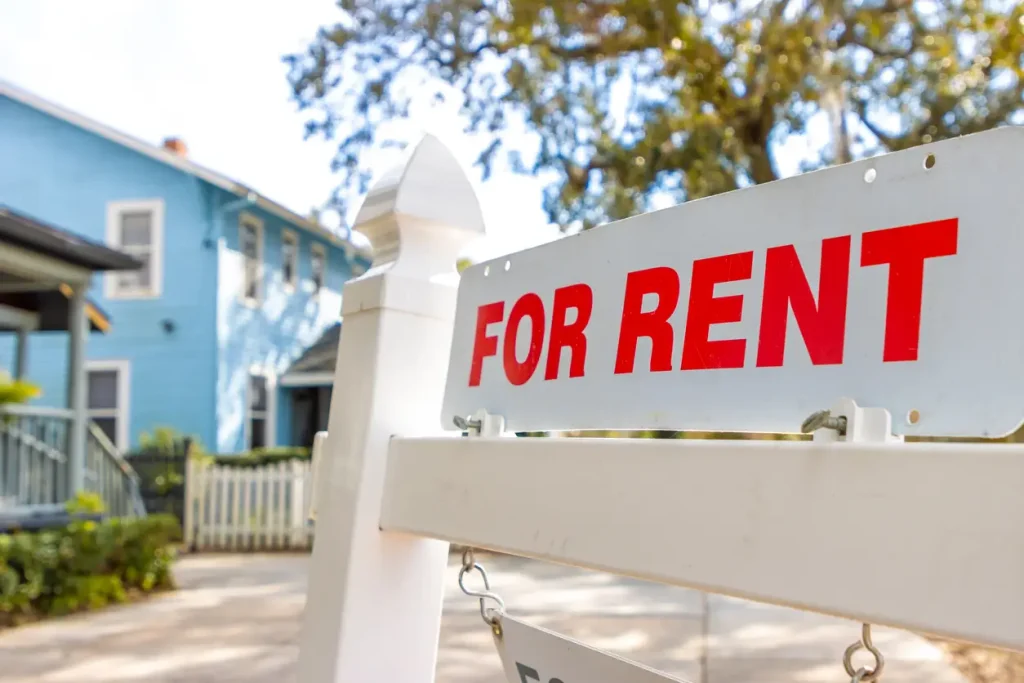
What are the Benefits of Owning a Single-Family Rental Property?
Investing in rental properties can be a lucrative avenue for building wealth, and single-family homes, in particular, offer a unique set of advantages for investors.
Below, our skilled team explores six key benefits of owning a single-family home as a rental property investment, highlighting why this type of property can be an attractive choice for those looking to expand their investment portfolio.
Strong Demand and Tenant Stability
Single-family homes typically attract long-term tenants, such as families or professionals seeking a stable living environment. These tenants are often looking for more than just a place to stay; they’re searching for a home where they can set down roots, enroll their children in local schools, and become part of a community. This desire for stability can lead to longer rental periods, reducing vacancy rates and ensuring a steady stream of rental income.
Furthermore, the demand for quality single-family rental homes is consistently high, providing investors with a large pool of potential tenants.
Appreciation Potential
Over time, single-family homes generally appreciate in value, offering investors the dual benefits of rental income and capital growth. This appreciation is driven by factors such as location, improvements to the property, and overall market conditions.
By carefully selecting properties in desirable neighborhoods and maintaining them well, property investors can significantly increase the value of their investment, yielding substantial returns when the time comes to sell.
Tax Benefits and Deductions
Owning a single-family rental property comes with various tax advantages. Investors can deduct expenses related to the operation, maintenance, and management of the property, including mortgage interest, property taxes, insurance, repair costs, and property management fees.
Additionally, investors can take advantage of depreciation, a non-cash expense that reduces taxable income, further enhancing the investment’s profitability.
Easier Management and Maintenance
Compared to multi-family properties or commercial real estate properties, single-family homes are generally easier to manage and maintain. With only one tenant to communicate with and a single property to oversee, investors can more easily address issues and ensure the property remains in good condition. This simplicity can be especially appealing to new property investors or those looking to manage their properties personally.
Financing Flexibility
Financing the purchase of a single-family rental property is often more straightforward than financing multi-family or commercial properties. Lenders typically view single-family homes as less risky, leading to more favorable interest rates and terms for investors.
Additionally, numerous loan products are available specifically for single-family investment properties, providing investors with flexibility in how they finance their purchases.
Portfolio Diversification
Investing in single-family rental properties allows investors to diversify their investment portfolios, spreading risk across different assets. By owning multiple single-family homes in various locations, investors can mitigate the impact of market fluctuations in any single area. This diversification can protect against significant losses and contribute to a more stable and resilient investment portfolio.
In essence, owning a single-family home as a rental property investment offers numerous advantages, including tenant stability, appreciation and property potential, tax benefits, ease of management, financing flexibility, and portfolio diversification. These benefits make single-family rental properties an attractive option for investors looking to generate passive income and build long-term wealth.
Property Management Strategies for Single-Family Homes
In the realm of property management, single-family homes present a unique set of opportunities and challenges. Understanding the specific strategies for managing these properties is essential for maximizing investment returns and ensuring tenant satisfaction.
Tailored Tenant Placement: One key strategy in managing single-family homes is implementing a rigorous tenant screening process. Unlike multi-family units, single-family properties often attract longer-term tenants, making it crucial to select individuals or families who are financially stable and likely to care for the property as if it were their own.
A thorough screening process, including credit checks, employment verification, and references, ensures that the property is occupied by reliable tenants, reducing turnover and vacancy rates.
Preventative Maintenance and Personalized Care: Preventative maintenance is another cornerstone of successful property management for single-family homes. Regular inspections and maintenance checks can prevent minor issues from becoming major repairs, saving money in the long run. Furthermore, offering personalized care and prompt responses to maintenance requests can significantly enhance tenant satisfaction, leading to longer tenancy periods and a positive reputation for the property manager.
Effective Communication and Relationship Building: Building a strong relationship with tenants through effective communication is vital. Keeping open lines of communication helps in addressing concerns quickly and maintaining a positive landlord-tenant relationship. This approach not only aids in the timely resolution of issues but also fosters a sense of community and belonging among tenants, which is particularly important in single-family property settings.
Adopting these property management strategies for single-family homes can lead to successful tenancies, reduced tenant turnover, and ultimately, a profitable and stress-free investment for property owners.
Key Aspects of a Rental Lease Agreement: Navigating Your Property Rights and Responsibilities
When entering into a rental agreement, it’s essential to understand the key aspects that protect both the landlord and tenant’s interests. Below are five crucial points focusing on the property in any lease agreement.
- Lease Duration: Specifies the term of the lease, typically ranging from month-to-month to several years, delineating how long the property will be rented.
- Rent Details: Outlines the amount of rent, due dates, and penalties for late payments, ensuring clarity on financial obligations towards the property.
- Security Deposit: Details the required deposit amount, conditions for its return, and deductions for repairs, safeguarding the property’s condition.
- Maintenance and Repairs: Defines the responsibilities of both the tenant and the property owner in maintaining the property, clarifying who handles various types of repairs.
- Use of Property: Clearly states what the property can and cannot be used for, preventing misuse and ensuring the property is preserved for its intended purpose.
Understanding these aspects can help both property owners and tenants manage their expectations and responsibilities, leading to a smoother rental experience.
Wrapping Up
Investing in single-family homes offers a wealth of advantages, from stable rental income to long-term capital appreciation. As we’ve explored, these properties not only attract quality tenants but also provide the flexibility of market adaptability and personal use.
If you’re considering expanding your investment portfolio with single-family homes, Keyrenter Boise stands ready to assist. Our expert property management services are designed to maximize your investment’s potential, ensuring peace of mind and profitability.