
Maintaining a rental property is pivotal for the success of any real estate investment. It’s not just about fixing what’s broken; it’s about preserving the value of your asset and ensuring it continues to generate income over time. The responsibilities fall on the shoulders of homeowners, managers, and tenants alike, with each playing a vital role in keeping the property in prime condition.
Keyrenter Boise, a leading property management company, stands at the forefront of this effort, offering unparalleled expertise and services. Our approach ensures that every property we manage not only retains but also increases in value, providing peace of mind to owners and comfortable living for tenants. Join us as we delve into the importance of property maintenance and how it shapes investment success.
Understanding Property Maintenance Responsibilities
Maintaining a rental property is a collaborative effort that involves the property owner, property manager, and tenant. Each plays a pivotal role in ensuring the rental asset remains in top condition, thereby preserving its value and appeal. This shared responsibility is crucial for the longevity and success of a rental property investment. Let’s delve into the specific roles each party plays in property maintenance.
Property Owner’s Role
The property owner’s primary responsibility is to ensure their property is habitable and safe for tenants. This involves making sure the property complies with all local building and safety codes. Owners are typically responsible for major repairs and long-term maintenance tasks, such as replacing the roof, fixing structural issues, and ensuring the property’s major systems (electrical, plumbing, HVAC) are in good working order.
Property owners rely on managers to be their eyes and ears on the ground, reporting maintenance issues that might require attention.
Property Manager’s Role
Property managers act as the intermediary between tenants and homeowners and landlords. Their role in maintenance is multifaceted: they conduct regular property inspections to identify and address maintenance issues before they escalate, coordinate with vendors and contractors for repairs, and respond to tenant maintenance requests promptly.
Effective property managers also implement preventive maintenance programs to extend the life of property components and reduce the frequency of repairs. By managing these tasks efficiently, property managers help protect the owner’s investment and enhance tenant satisfaction.
Tenant’s Role
Tenants are responsible for maintaining the cleanliness of the property and reporting any issues or damages promptly. This includes routine tasks such as changing light bulbs, testing smoke detectors, and keeping the premises tidy. Tenants should avoid causing damage to the property through negligence or abuse.
By adhering to these responsibilities, tenants contribute to the overall upkeep of the property, ensuring a pleasant living environment for themselves and helping maintain the property’s value for the owner.
In short, property maintenance is a critical aspect of property management that requires the cooperation of homeowners, managers, and tenants. Each party’s role is essential in preserving the property’s condition and value, ensuring a positive and productive rental experience for all involved.
The Importance of Preventive Maintenance for Your Property
In the world of real estate management, maintaining the structural integrity and appeal of your property is paramount. Preventive maintenance plays a crucial role in this endeavor, setting it apart from routine maintenance through strategic planning and execution. This approach not only preserves the property’s value but also significantly contributes to tenant satisfaction and retention. Let’s delve into the nuances of preventive maintenance, explore some key activities, and understand how to manage emergency scenarios effectively.
Preventive Maintenance vs. Routine Maintenance
Preventive maintenance involves regular inspections and the timely repair of equipment and facilities to prevent potential problems before they arise. Unlike routine maintenance, which deals with the day-to-day upkeep and repairs necessary to keep a rental home in working order, preventive maintenance is a proactive strategy designed to extend the life of the property and avoid costly emergency repairs.
Here are some examples of preventive maintenance activities:
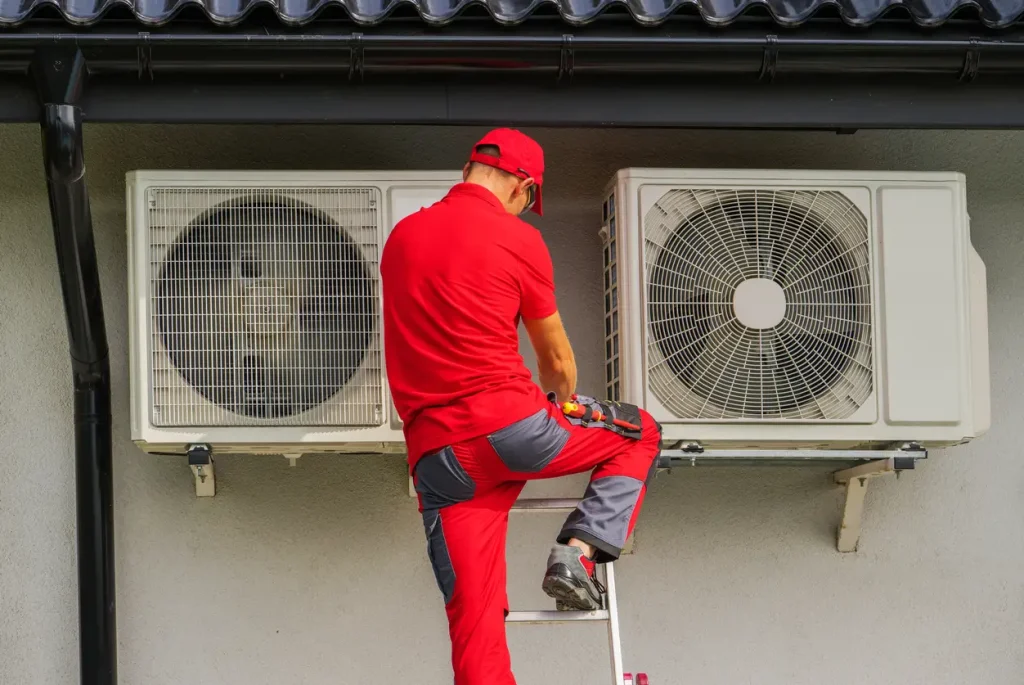
- HVAC System Servicing: Annual servicing of heating, ventilation, and air conditioning (HVAC) systems can prevent unexpected breakdowns, ensuring a comfortable environment for tenants year-round.
- Roof Inspections and Repairs: Regular inspections can identify potential leaks or damage early, preventing water damage and costly repairs down the line.
- Gutter Cleaning: Removing debris from gutters and downspouts prevents water damage and protects the property’s foundation.
- Fire Safety Checks: Inspecting fire alarms, extinguishers, and sprinkler systems ensures they are in working order, providing safety and peace of mind for tenants.
So, what are the long-term benefits of preventive maintenance?
- Enhanced Property Value: A well-maintained property retains its value and appeal, attracting and retaining quality tenants.
- Reduced Overall Costs: By addressing issues early, homeowners can avoid more significant, costly repairs and replacements in the future.
- Increased Tenant Satisfaction: A proactive approach to maintenance demonstrates a commitment to tenant comfort and safety, fostering loyalty and reducing turnover.
Handling Emergency Maintenance Scenarios
Despite the best preventive measures, emergencies can still occur. Common scenarios include severe plumbing leaks, electrical outages, or heating system failures, especially during extreme weather conditions. Here are a few tips from our expert team to handle these situations:
- Immediate Response: Establish a 24/7 emergency contact system for tenants to report urgent issues.
- Professional Assistance: Maintain a list of trusted contractors who can respond quickly to emergency calls.
- Clear Communication: Keep tenants informed about the situation, expected resolution time, and any necessary precautions they should take.
- Post-Emergency Review: After addressing the emergency, review the incident to identify any preventive measures that could mitigate similar issues in the future.
In essence, a robust preventive maintenance plan is essential for preserving the value of your home and ensuring tenant satisfaction. By investing in regular upkeep and being prepared for emergencies, property owners can safeguard their investments and foster a positive living environment for their tenants.
Seasonal Maintenance: Essential for Every Property
Seasonal maintenance is crucial for the longevity and efficiency of your property. By staying ahead of maintenance tasks, property owners can prevent costly repairs and ensure their properties remain desirable to current and potential tenants. Here are five key points to remember:
- Inspect and Clean Gutters: Ensure gutters are free from debris to prevent water damage to the property’s foundation and landscaping.
- Service Heating and Cooling Systems: Regular servicing can extend the life of your HVAC system and ensure it operates efficiently.
- Check for Drafts: Seal windows and doors to improve energy efficiency and comfort for tenants during the changing seasons.
- Landscaping and Outdoor Areas: Prepare your property’s outdoor areas for the coming season, whether it’s clearing fall leaves or prepping for spring growth.
- Safety Checks: Test smoke detectors, carbon monoxide detectors, and fire extinguishers to ensure they are in working order for tenant safety.
Seasonal maintenance not only preserves the property’s value but also enhances tenant satisfaction and safety. Prioritizing these tasks can lead to a more profitable and trouble-free investment.
Wrapping Up
Mastering rental-home care is pivotal for the success of any investment property. The shared responsibilities between the property owner, property manager, and tenant form a crucial trifecta in maintaining the property’s integrity. Each party plays a vital role, from the owner’s commitment to addressing major concerns to the tenant’s daily upkeep and the property manager’s oversight of operations.
Keyrenter Boise stands at the forefront of this collaborative effort in the Treasure Valley, offering expert property management services that ensure your investment remains in prime condition. By partnering with Keyrenter Boise, property owners gain peace of mind, knowing their properties are well-maintained, thereby attracting and retaining tenants, and ultimately securing the long-term success of their investment.